Drone Solutions / 01
Wind Turbine
Inspections
- External Blade InspectionsIBIS
- Foundation InspectionsZenmuse P1
- Tower InspectionsZenmuse P1 / IBIS
- Nacelle InspectionsZenmuse P1
- Internal InspectionsKIWI
IBIS is Clobotics' autonomous UAV inspection solution for wind turbine blades. One autonomous flight follows a controlled path around the turbine, capturing consistent, high-resolution evidence across the leading edge, pressure side, suction side and trailing edge of every blade — with no technician at height.
- LiDAR + vision positioning
- LiDAR and computer vision determine turbine orientation, tower height and blade position, with point-cloud context for locating and sizing findings.
- Automatic flight planning
- No pre-built turbine model or manual route needed — IBIS tracks the blade at a consistent stand-off distance and image angle.
- Built-in flight safety
- A defined 3D safety zone, real-time image segmentation and obstacle awareness throughout the mission.
Standardised capture gives AI analysis comparable source data across turbines and campaigns, and the verified dataset flows straight into Clobotics' IRIS platform for review, reporting and repair planning. IBIS can even inspect while turbines remain in operation, widening inspection windows and reducing lost generation.
Every inspection gives operators a clear, consistent visual record of each turbine's condition. More about Clobotics IBIS
How it works
From flight plan to operator-ready findings.
Standardised image capture gives AI analysis consistent, comparable source data across turbines and inspection campaigns.
01 / Check
Inspect and prepare the system
The operator checks the aircraft, payload and mission setup before moving into position.
02 / Position
Prepare the turbine
The turbine is stopped, locked and positioned in an inverted Y according to the approved site procedure.
03 / Launch
Start with one command
The operator places IBIS in the approved launch area and initiates the autonomous mission.
04 / Capture
Follow every blade surface
IBIS identifies the turbine and captures the leading edge, pressure side, suction side and trailing edge.
05 / Return
Land and connect the record
The aircraft returns to the launch point and the verified dataset is uploaded to IRIS for analysis and reporting.
In the field
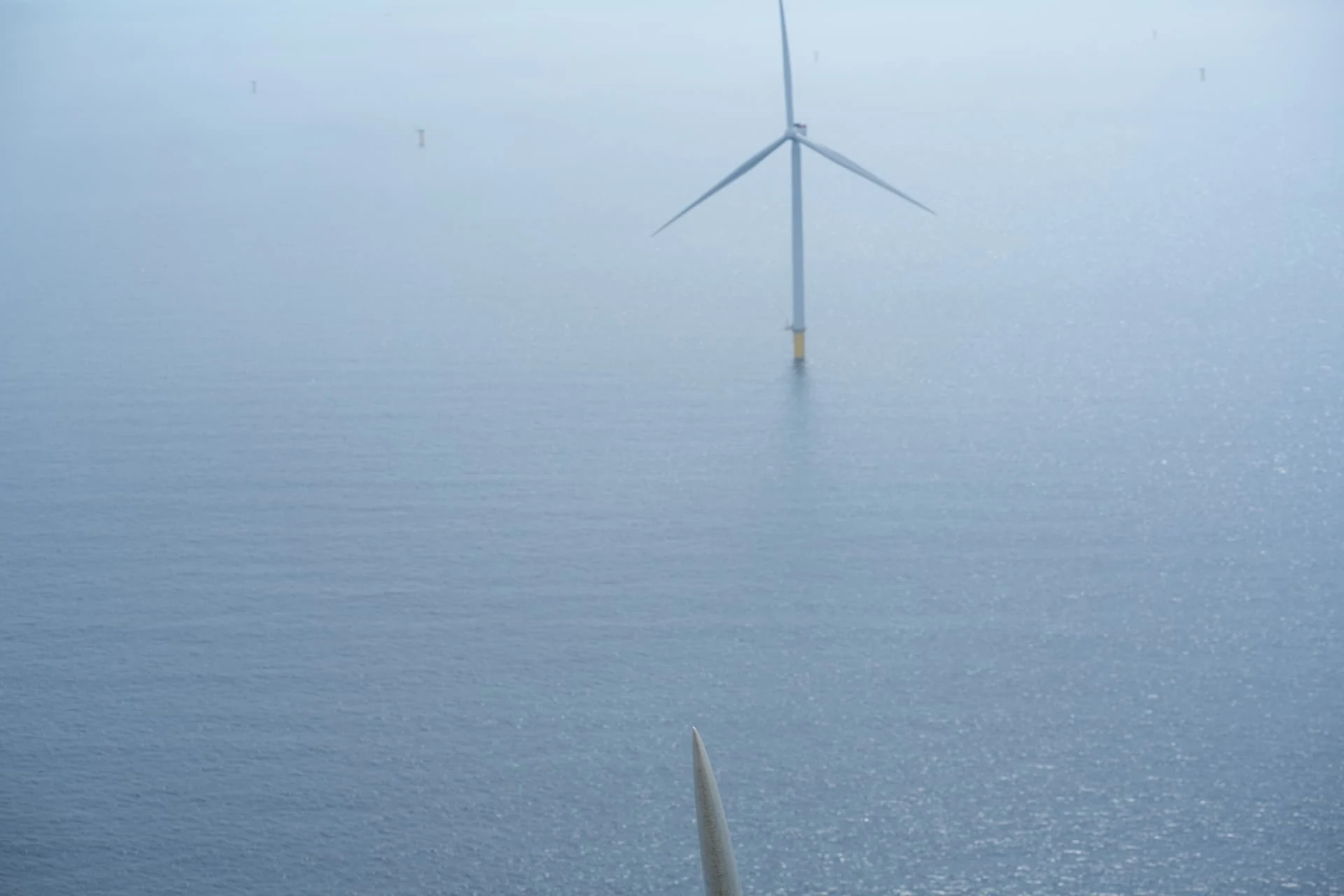
One blade, tip to root.
Scroll to fly down the full length of an offshore turbine blade, frame by frame, exactly as it was captured.
Raw capture example only — excludes defect labelling, analysis and reporting delivered through IRIS.